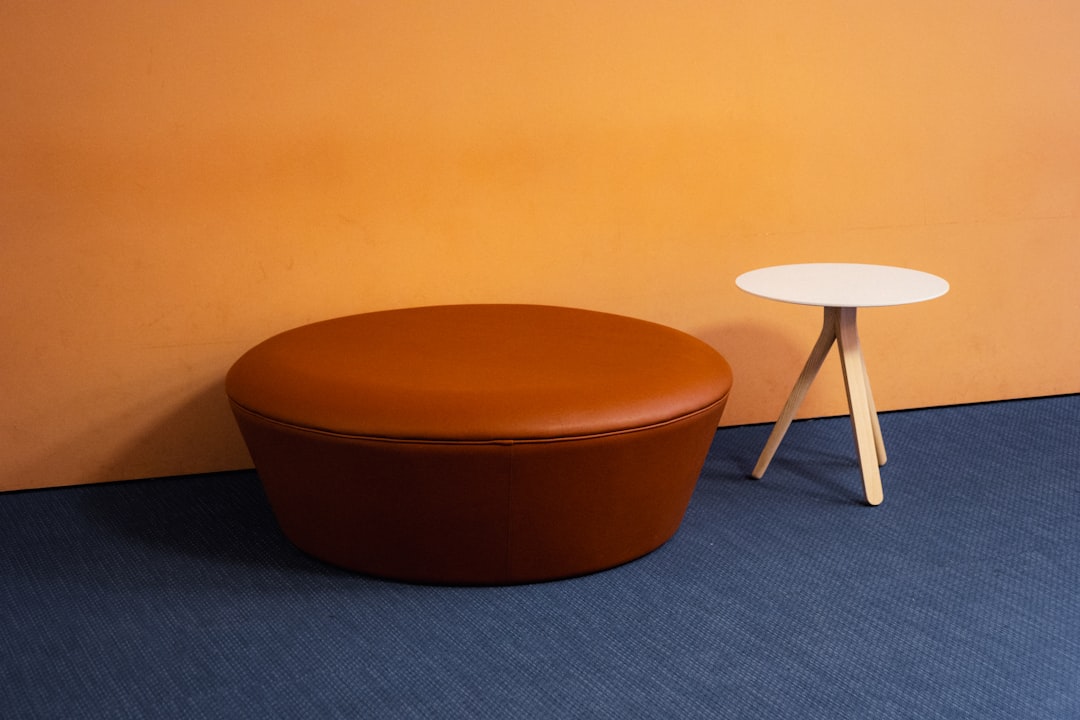
The 12 sqm HDB bedroom leaves about 80cm clearance on either side of a queen bed—just enough to open wardrobe doors without banging knees against furniture. That’s why oversized ottomans become doorstops in these spaces; a 90cm model might fit mathematically, but it’ll block airflow and make the room feel like a storage warehouse.
Measure floor space with the bedroom door fully open—many HDB layouts have inward-swinging doors that eat 30cm of clearance. For tight corners between bed and wardrobe, compact 60cm square ottomans work best; they tuck under bedside tables when not in use, and their storage compartments swallow spare blankets or seasonal clothing. Round versions save another 5cm of visual space, though they typically hold 15% less than rectangular ones.
Prioritise ottomans with lift-top lids over flip-up designs—the latter need 50cm clearance to open fully, which defeats the purpose in cramped rooms. Look for models under 45cm tall; any higher and they’ll awkwardly compete with standard 46cm bed heights.
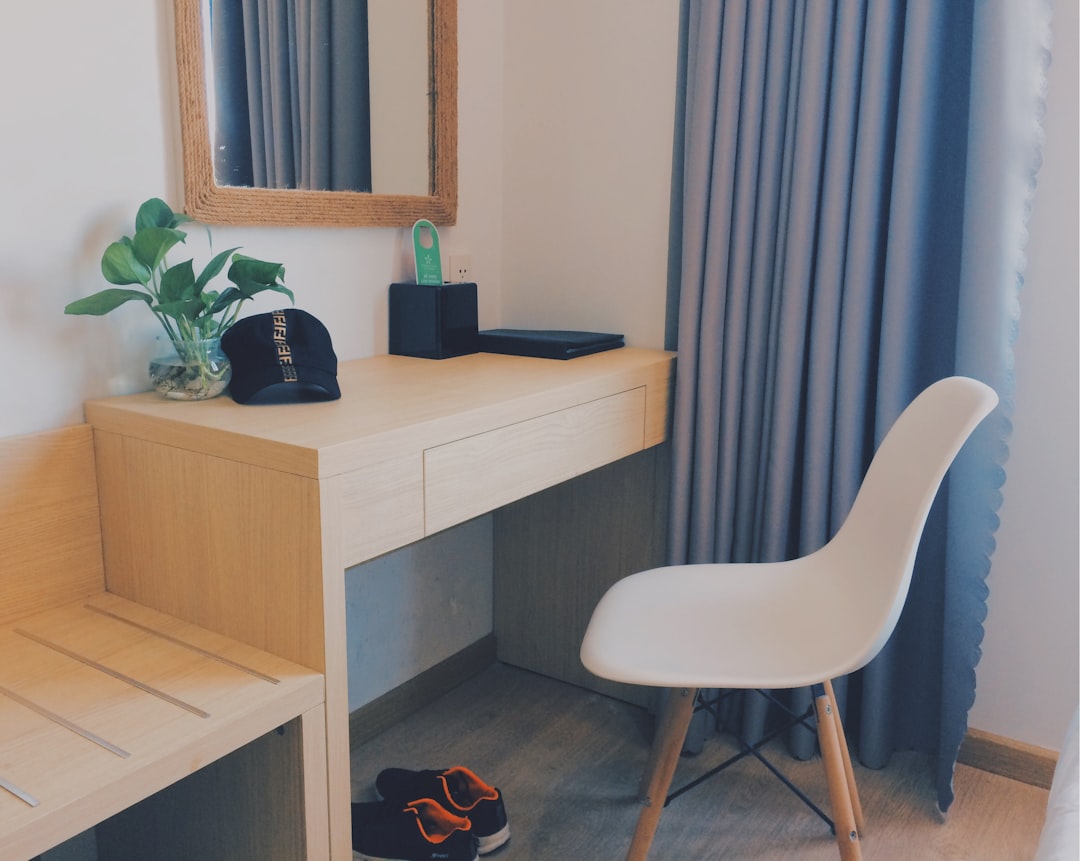
Families often regret buying ottomans sized for hypothetical guests rather than daily use. An ottoman is one of the most under-rated pieces in a small Singapore living room — extra seating when guests come over, footrest during the daily wind-down, sometimes a coffee-table substitute when the room layout demands flexibility. Megafurniture's Ottoman collection covers footrest, square, lift-top storage, and round designs in fabric, leather, faux leather, velvet, and rattan. Lift-top storage variants typically hold 60–80 litres of contents — useful for blankets, board games, or seasonal items.. That 120cm “entertaining” piece? It’ll spend 360 days a year as a laundry holder. Better to choose a 55cm cube that doubles as a bedside table, then supplement with foldable stools when cousins visit during CNY.
Rubberwood frames with performance fabric upholstery handle the humidity, while metal legs prevent mould in carpeted bedrooms. Just avoid tufted tops—they collect dust in HDB flats near construction sites like Punggol or Tengah.
Singapore’s humidity doesn’t just frizz hair—it warps untreated wood within months, leaving ottoman bases uneven and drawers jammed. Condo dwellers along the East Coast corridor, where sea air pushes humidity past 80% for half the year, report the worst damage; even teak and oak warp without proper sealing.
Polyester upholstery outperforms cotton or linen here, resisting mould and drying faster after the inevitable coffee spill. Leather’s another safe bet—it won’t absorb moisture like fabric, though buyers in non-aircon spaces should skip glossy finishes that show sweat marks. For bases, powder-coated metal or plastic composites avoid the swelling issues of solid wood, though they lack the heft some prefer.
The real trouble comes with hybrid materials. Rattan-wrapped ottomans look breezy in showrooms but collect dust in HDB corridors, while MDF with veneer peels after two monsoon seasons. Storage ottomans with fabric-lined interiors need ventilation holes—otherwise, that spare bedsheet stash starts smelling like a gym bag.
One exception: rubberwood. It’s cheaper than teak but handles humidity better than pine, often used in budget options under $300. Just check the joints; if they’re stapled instead of dowelled, the constant expansion and contraction will loosen them by year three.
For families, wipe-clean performance fabrics like Crypton make sense—sticky toddler hands and damp swim bags won’t ruin them. But in a 4-room BTO where the ottoman doubles as a coffee table, a textured weave hides scuffs better than flat synthetics.
Pairing an ottoman with a recliner starts with measuring seat height — most Singapore recliners sit at 45–50cm from floor to cushion top. A mismatched ottoman forces knees into awkward angles; too high strains thighs, too low leaves legs dangling. Standard storage ottomans hover around 42–48cm, though some low-profile designs dip to 38cm for deep-seated recliners. Test with a tape measure before buying: when seated, thighs should rest parallel to the floor without slouching or hiking up. Megafurniture's collection labels ottoman heights clearly, avoiding guesswork for HDB dwellers squeezing pieces into tight living rooms.
Rectangular ottomans mirror the clean lines of modular sofas, creating visual continuity in open-plan BTO layouts. Their straight edges maximise surface area — useful for balancing drinks or stacking magazines when not in use as footrests. Round ottomans soften angular spaces, better suiting compact 4-room flats where sharp corners become shin hazards. Curved models also ease traffic flow around recliners placed near walkways or balcony doors. Just mind proportions: a 60cm round ottoman overwhelms most HDB living rooms, while anything under 40cm looks like an afterthought.
Lift-top ottomans swallow spare blankets in air-conditioned living rooms, while flip-top designs hide board games for family nights. Depth matters — 30cm internal storage fits folded yoga mats, but bulkier items like vacuum cleaners demand 40cm+ cavities. Avoid shallow 15cm compartments; they become black holes for remotes that vanish until moving day. Weighted bases prevent tipping when kids climb on storage models, though lightweight PU leather options (under 8kg) simplify rearranging furniture during Chinese New Year clean-outs.
Performance fabrics like Crypton repel kopi stains in homes where ottomans double as impromptu dining tables. Leather-look PU withstands cat claws better than linen, though it sticks to bare thighs in humidity — a trade-off for pet owners. Bouclé upholstery suits Instagram-ready interiors but shows every speck of dust in landed properties near construction sites. For recliner pairings, match the sofa's fabric or go deliberately contrasting; half-matching textures (like pebbled leather with smooth velvet) just look indecisive.
Tuck narrow ottomans (under 50cm wide) beneath recliner footrests when not in use, freeing walkways in 12 sqm living rooms. Dual-height designs work overtime — lower setting for footrest mode, taller position as a coffee table with tray. Light-coloured ottomans visually expand cramped spaces, though beige shows every scuff from school shoes. In corner recliner setups, L-shaped ottomans maximise dead space while providing communal footrests for movie nights — just leave 60cm clearance for the recliner mechanism to fully extend.
The problem with most ottomans in Singapore flats isn't their size—it's their wasted potential. A standard 60cm cube ottoman occupies the same floor space whether it's hollow or solid, yet only one version stores winter blankets, guest pillows, or the kids' board games that otherwise clutter 4-room BTO hallways.
Dual-purpose designs solve this by treating the interior as prime real estate. Look for lift-top mechanisms with gas struts (easier to operate than hinged lids when your hands are full) and weight capacities around 50kg—enough for stacks of magazines or that spare bedsheet set. Rectangular shapes work better than round in narrow HDB study nooks; they tuck flush against walls while leaving walkways clear.
Material choices matter more than you'd think. Performance fabrics like Crypton repel coffee spills during impromptu living room gatherings, while smooth leather wipes clean after being used as a footrest by shoes-on guests. Darker tones hide scuffs in high-traffic areas—useful when the ottoman doubles as extra seating during CNY visits.

Foldable models take the concept further. Some compress to 15cm thick when not in use, slotting behind doors or under beds. That's key for 8 sqm rooms where every square foot counts. Just check the folded dimensions against your storage gaps; some need 60cm clearance that older HDB cupboards don't provide.
Weight is the hidden trade-off. Lightweight MDF frames (8–12kg) are easier to move but may wobble when used as makeshift coffee tables. Heavier solid rubberwood versions (18–22kg) stay put but strain your back during seasonal rearranging. Test this at Megafurniture's showrooms—lift a few displays to find your Goldilocks zone.
The Joo Seng showroom’s ottoman section always has at least three kids jumping on the display pieces — which, ironically, makes it the best stress test for hinge durability. Singaporean buyers prioritising long-term use should treat showroom visits like a forensic inspection: lift the lid 50 times to check for wobble, press palms into corners to test frame rigidity, then sit dead-centre to gauge whether the cushion sags after 30 seconds.
Weight matters more than most realise. A good storage ottoman shouldn’t slide when used as a footrest beside a recliner, yet light enough to drag across mosaic tiles in a 4-room BTO. At Tampines, try the two-hand lift test — if you can’t shift it empty, imagine hauling it stuffed with winter blankets up an HDB stairwell.
Cushion firmness splits opinions. Families with toddlers often prefer firmer tops (easier to wipe spills, doubles as makeshift step stool), while those using it for movie nights lean toward medium-density foam that doesn’t dent permanently. Run the back-of-hand test: knuckles shouldn’t sink more than 3cm through the upholstery when pressing firmly.
Showroom lighting tends to flatter cheaper fabrics. Always examine grain leather or performance velvet under your phone’s torch to spot uneven dye jobs or loose stitching at stress points. The right ottoman survives five years of CNY gatherings, Lego explosions, and the inevitable coffee ring from an unsupervised mug.
Megafurniture’s Joo Seng location stocks deeper storage models ideal for stowing folded yoga mats, while Tampines specialises in compact round versions that tuck under console tables. Browse the options — then test like you’re the third owner, not the first.
The delivery truck idles outside your HDB block, hazard lights blinking as the driver checks his clipboard. Ottomans—those deceptively heavy cubes—often require two-person lifts, especially the storage models packed with drawers or hydraulic mechanisms. Most Singaporean buyers don’t realise their new footrest might need elevator access until the delivery team’s already sweating in the loading bay.
Flat-pack assembly isn’t just an IKEA trope—it’s a space-saving necessity for narrow HDB corridors and condo lifts with 80cm doorways. A pre-assembled ottoman might not fit past your shoe cabinet, whereas a boxed one slips through easily. The trade-off? You’ll spend 20 minutes with an Allen key, but your movers won’t charge extra for staircases.
Megafurniture’s team typically calls a day ahead to confirm delivery windows (avoid lunchtime—lift queues peak when neighbours dash home). Their Joo Seng warehouse dispatches before 10am for same-day arrivals in Tampines or Bedok. Pro tip: measure your lift’s interior diagonal—some round ottomans clock in at 110cm, requiring a tilt maneuver.
Storage ottomans arrive heavier than expected—the linen-lined cavity adds kilos, and hardwood frames double it. First-floor walkups might manage solo, but fifth-storey walkups? That’s when you’ll wish you’d splurged on the $50 white-glove service. Condo dwellers fare better—just ensure the security desk knows to expect a "small coffee table" (their wording, not yours).
Assembly usually involves four screw-in legs and a fabric pull-tab for the storage lid. Skip the "easy" self-install if your unit has hydraulic hinges—those need professional calibration to avoid finger-pinching disasters. Most buyers regret not paying for assembly around the third time their toddler gets trapped inside.
Ottomans replacing coffee tables? Only if you’ve got the right surface. A 50cm square ottoman with a tray works in Tampines living rooms where space is tight—just don’t expect it to handle your grandmother’s vintage teapot collection. Leather holds up better than fabric against cat claws, but Sunbrella performance velvet is the dark horse for pet owners—stains wipe off, and the texture discourages scratching.
Singapore’s humidity turns leather care into a ritual. Wipe down monthly with a damp cloth (distilled water, never tap), then condition with a pH-neutral product. Left untreated, even full-grain leather develops a sticky film by year two—especially in Bedok flats where sea air accelerates oxidation.
Storage capacity depends on the hinge mechanism. Cheap ottomans max out at three folded blankets before the lid strains; proper piano-hinged models swallow winter duvets plus board games. For toy storage, measure your largest item—most 60cm ottomans fit Lego sets, but stuffed animal hoards need 80cm+.
The real test is whether you’ll actually lift the lid weekly. Eunos families cramming ottomans under console tables often forget they’re storage pieces at all. If you’re the type who stashes receipts in car door pockets, opt for open bins or side tables instead.
Megafurniture’s collection includes piano-hinged models that won’t sag after six months of kids jumping on them. Their Joo Seng showroom lets you test the weight capacity—bring your heaviest cushion as a benchmark.
Before committing to an ottoman, test its lift mechanism with one hand while balancing a toddler on your hip—because that’s how it’ll get used in a 4-room BTO. Showroom models often glide smoothly, but hinges stiffen after six months of storing winter blankets in Singapore’s humidity. Check weight limits too: a 50kg-rated lid won’t survive teens using it as a trampoline.
For HDB layouts, match the ottoman’s width to your sofa’s chaise or armrest clearance. A 90cm unit fits flush beside most recliners, while 60cm squares slot between bookshelves in study nooks. Bring a tape measure; what looks petite in Tampines’ warehouse lighting might overwhelm a Bedok hallway.
Functionality trumps form when space is tight. Storage ottomans doubling as coffee tables need flat, wobble-free tops—test with a kopi cup. Deep drawers suit folded linen, but shallow trays keep remotes accessible. Megafurniture’s Joo Seng showroom lets you trial configurations with actual HDB-sized mockups.
Skip anything requiring assembly beyond four screws. Complicated latches or removable liners become dust collectors in condos with no helper’s room. And that velvet upholstery? Gorgeous until curry night. Performance fabrics like Crypton fare better near dining areas.
Finally, sit on it properly. Many buyers forget ottomans pull duty as extra seating during CNY—if it collapses under Uncle Bob, you’re stuck serving tea from the floor till next year’s reno sale.